

Call any hour. A person answers, the nearest available technician is sent, and you approve a written price before work starts.
24/7 HVAC Service in Newburgh, NY: Heating and Cooling Repair
No heat, cold radiators or an air conditioner that quit in July? Call (321) 478-0693 and a person answers 24 hours a day, 7 days a week, including nights, weekends and holidays. Newburgh Bay Air Pros sends the nearest available HVAC technician to homes in the City and Town of Newburgh and nearby Orange and Dutchess County towns, and you get an arrival window when you call.
Answering 24/7, nights and weekends
- Answering 24/7
- Insured technicians, licensed where NY requires
- Price before work starts
HVAC services
Heating and cooling services for Newburgh homes
Newburgh heats with almost everything: steam and hot water boilers in the city's older houses, gas and oil furnaces in the Town of Newburgh subdivisions, and a growing number of ductless heat pumps. The six services below cover repairs, replacements and round-the-clock emergencies for all of them, along with the smaller jobs that come with each visit, such as thermostats, tune-ups, condensate drains and safety controls. Not sure which one fits? Call and describe what the system is doing, or compare all HVAC services in Newburgh, NY.
Local know-how
Heating and cooling problems we see in Newburgh homes
Newburgh is a heating-first town. January and February nights average lows near 18°F, a winter can bring about 37 inches of snow, and the damp cold off the river finds every gap in an old house. Summer is short but real: July highs average 84°F with Hudson Valley humidity. Which season gives you trouble depends on the house you live in.
Steam and hot water boilers in pre-1940 houses
About 61% of the homes in the City of Newburgh were built before 1940, and the median year built is 1938. In the East End and around Montgomery, Grand and Liberty Streets, brick rowhouses, Victorians and two- to four-family houses mostly heat with steam or hot water boilers feeding cast-iron radiators. Steam pipes bang when water sits in a sagging line, a radiator stays cold when its air vent sticks, and a low-water cut-off shuts the burner down to protect the boiler. Hot water systems lose heat to trapped air, a failed circulator or a waterlogged expansion tank. That is why boiler and radiator repair is the most common heating call in the city, and our guide to steam radiator problems explains what each noise means.
Radiator homes with no ductwork
A radiator house has no ducts to carry cool air, so most of these homes get through July with window units. Ductless mini-splits and cold-climate heat pumps fill that gap without opening plaster walls, and they can carry part of the heating load too. See ductless mini-splits and heat pumps.
Oil-fired furnaces and boilers
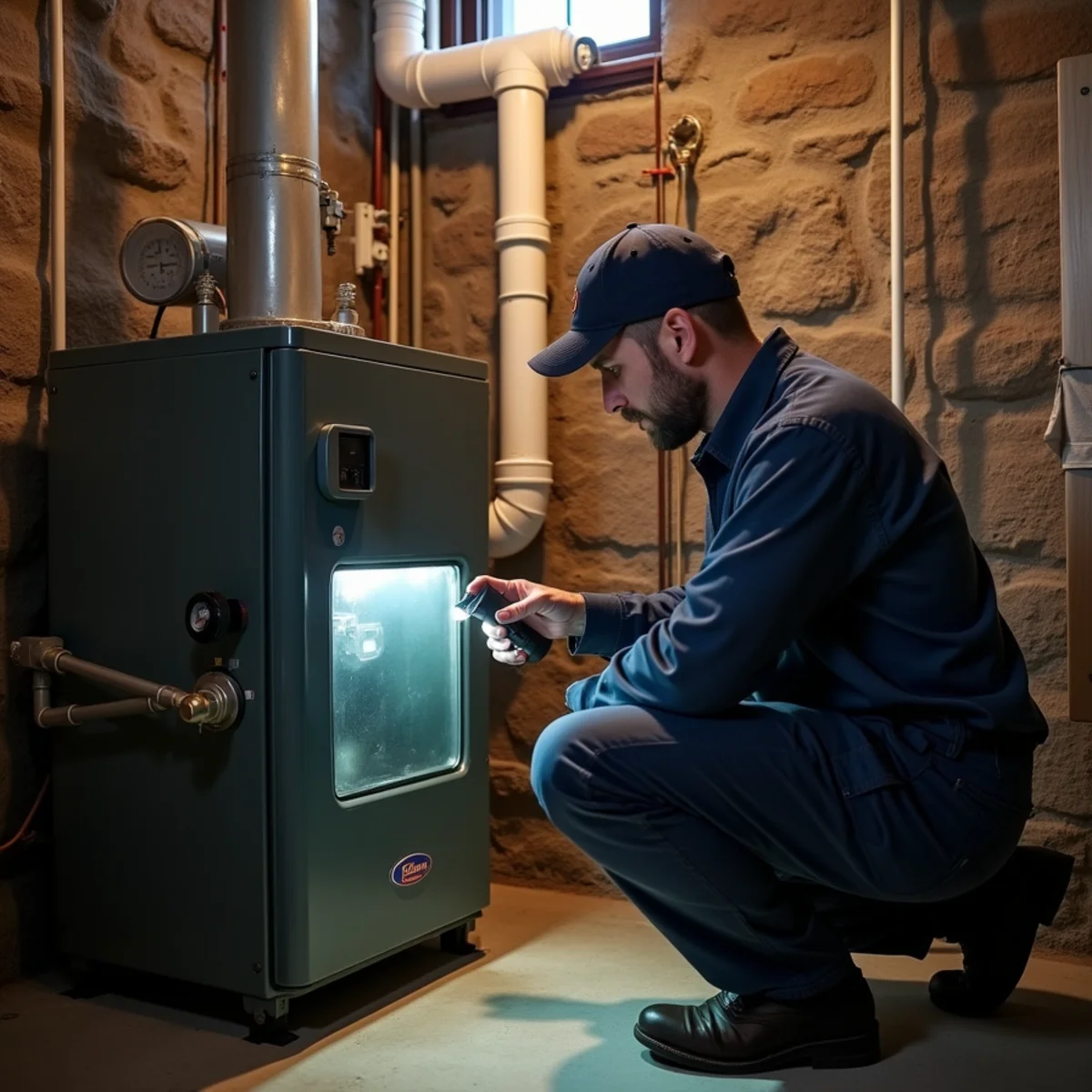
Many homes still burn heating oil, especially off the gas mains in rural New Windsor, the Cornwall hills and around Walden and Washingtonville. An oil burner needs a clean nozzle, filter and pump, and one that runs out of oil has to be primed before it will fire again. Press the reset button once at most; repeated resets can flood the chamber with oil.
Forced air at replacement age in the Town of Newburgh
The Town of Newburgh shares the 12550 zip code. Meadow Hill, Colden Park, Gardnertown, Balmville and Orange Lake grew from the post-war years through the 2000s with forced-air furnaces and central AC, and many of those systems are at or past the typical 15 to 20 years. Igniters, flame sensors, inducer motors and AC capacitors fail more often at that age, and each breakdown raises the question of furnace repair or a planned replacement.
Safe first response
Common Newburgh HVAC problems and what to do first
A safe first-response guide, not a remote diagnosis. The same symptom can have more than one cause, and only testing on site confirms which one it is.
Steam radiators cold or banging
- Warning signs
- Clanging pipes as the heat comes on, some radiators cold, a vent spitting water
- What to do now
- Note which radiators stay cold; do not open the boiler or touch hot vents
- Technician checks
- Radiator air vents, pipe pitch, boiler water level, low-water cut-off, pressuretrol setting
Hot water boiler losing pressure
- Warning signs
- Low reading on the boiler gauge, gurgling pipes, cold baseboards or radiators upstairs
- What to do now
- Write down the gauge reading and look for water around the boiler; do not open valves
- Technician checks
- Fill valve, expansion tank, relief valve, circulator, zone valves, air in the lines
Oil burner locked out
- Warning signs
- No heat, the burner's red reset button has popped, an oily smell near the unit
- What to do now
- Check the oil tank gauge; press the reset once at most, never repeatedly
- Technician checks
- Oil level, filter, nozzle, pump, CAD cell, primary control, priming the line
Gas furnace will not ignite
- Warning signs
- Clicking, a blinking status light, cold air from the registers
- What to do now
- Check thermostat mode and batteries, the furnace switch and the filter; note the blink code
- Technician checks
- Igniter, flame sensor, inducer motor, pressure switch, limit switch, control board
AC running but not cooling
- Warning signs
- Warm air at the vents, ice on the larger copper line, an outdoor unit that hums
- What to do now
- Turn cooling off if you see ice, replace a dirty filter, reset a tripped breaker once
- Technician checks
- Capacitor, contactor, fan motor, refrigerant charge, coil condition, airflow
Rooms that never cool
- Warning signs
- Radiator-heated bedrooms in the 80s in July, window units tripping breakers
- What to do now
- Close shades on sunny windows and note which rooms overheat and when
- Technician checks
- Room-by-room heat gain, indoor head locations, electrical capacity, outdoor unit placement
An old system failing again
- Warning signs
- A third repair in two seasons, R-22 refrigerant, rising fuel use, uneven rooms
- What to do now
- Find the age on the model plate and gather past repair receipts
- Technician checks
- Age, heat exchanger or boiler sections, refrigerant type, load calculation, chimney liner
No heat on a freezing night
- Warning signs
- Indoor temperature falling, a vacant unit or rental, pipes on outside walls
- What to do now
- Open sink cabinets on outside walls, let faucets drip, keep space heaters clear of curtains
- Technician checks
- Fuel supply, burner or ignition failure, safety controls, frozen lines
Smell gas or hear a carbon monoxide alarm? Skip this table. Leave the house, then call 911 or Central Hudson's gas emergency line from outside before you call us.
Call, dispatch, price, done
How it works
One phone call starts everything. Here is what happens after you dial.
- 01
Call, day or night
Call (321) 478-0693 at any hour. A person answers and asks what the system is doing, whether it is a furnace, boiler or AC, what fuel it burns and whether anything smells or sounds unsafe.
- 02
We dispatch a technician
We send the nearest available HVAC technician who covers your town. You get an arrival window when you call, so you know what to plan around.
- 03
You approve the price
The technician diagnoses the problem, shows you what failed and gives you a written price before work starts. A diagnostic visit is not a repair authorization: nothing is repaired or replaced until you say yes.
- 04
The job gets done
The technician makes the approved repair, tests the system through a full cycle and tells you what to watch for. For a replacement, you get the options and the next steps in writing, and after installation the startup checks, model numbers and warranty papers.
Why choose us
Why Newburgh homeowners call us
No borrowed ratings and no promises we cannot keep. Here is what you can count on.
A person answers 24/7
Boilers quit at 3 a.m. on the coldest night of January. The phone is answered every hour of every day, weekends and holidays included, so you can explain the problem to a person and get a technician on the way.
Licensed where New York requires it
Every HVAC technician we send is licensed where New York requires it, and insured. New York has no statewide HVAC license, so requirements come from cities and counties, and refrigerant work needs EPA Section 608 certification. Ask for license and insurance details on any visit.
A written price before work
The technician diagnoses first, then gives you the price in writing. You can approve it, ask questions or take time to think. Nothing is done until you agree.
Steam, hot water and oil heat
Old Newburgh houses need technicians who know one-pipe steam, low-water cut-offs, circulators and oil burners, not only gas furnaces. Tell us your fuel and system when you call.
Both sides of the Hudson
Coverage runs from the City and Town of Newburgh to New Windsor, Cornwall, Walden and Washingtonville in Orange County and across the Newburgh-Beacon Bridge to Beacon and Fishkill in Dutchess County.
Straight repair-or-replace advice
An old boiler is not automatically a replacement. You hear the facts on age, condition and what is likely to fail next, with prices for each option and no pressure to decide on the spot.

About Newburgh Bay Air Pros
How our service works
Newburgh Bay Air Pros is a 24/7 HVAC service for Newburgh and the towns around it. When you call, we answer, gather the details and send a technician who covers your area. Newburgh Bay Air Pros connects you with independent HVAC technicians, licensed where New York requires it, who perform the work. The technician diagnoses the problem and gives you a written price before work starts, and any warranty comes in writing from the manufacturer and the technician's company. Read more about how Newburgh Bay Air Pros works.
Every HVAC technician we send is licensed where New York requires it, and insured.
How we workService areas
Areas we serve around Newburgh
Home base is the City and Town of Newburgh, including Balmville, Gardnertown, Orange Lake, Middle Hope, Meadow Hill and Colden Park. From there we cover New Windsor, including Vails Gate, and Cornwall, including the village of Cornwall-on-Hudson, to the south, Walden and Washingtonville to the west in Orange County, and Beacon and Fishkill across the bridge in Dutchess County. Each town page covers its housing and the problems we hear about most. See the full HVAC service area.
The first 30 minutes of an HVAC emergency
What you do in the first half hour decides whether a breakdown stays a repair or turns into frozen pipes or a flooded floor.
Safety warning: Gas smell, a carbon monoxide alarm, smoke or a scorching smell: get everyone out first. From outside, call 911 or Central Hudson's gas emergency line. Call us once the home is safe.
- Check the simple things. Thermostat mode and batteries, the furnace or boiler switch, and the breaker. You can reset a tripped breaker once; if it trips again, leave it off.
- Look at the fuel. On oil heat, read the tank gauge. An empty tank means a delivery and a burner restart, not a broken boiler.
- Protect the pipes. Open sink cabinets on outside walls, let faucets drip and close off unused rooms. Never heat the house with an oven or a gas range.
- Write down what you see. Photograph the model plate, any blink code and the boiler pressure gauge.
- Call. Tell us what you checked. Landlords should say who can let the technician in and who approves the price.
What not to do
- Do not keep resetting a furnace, boiler or breaker after it shuts down again. A repeated lockout is a safety device doing its job.
- Do not open a burner or combustion chamber, disconnect gas piping or touch refrigerant lines.
- Do not chip ice off a frozen AC or heat pump coil. Turn cooling off and let it thaw.
- Keep children and pets away from standing water, exposed wiring and hot equipment.
Document it before you clean up
Photograph the model and serial label without removing any panels, then the thermostat display, any error code, the filter, and water or ice where it is safe to stand. Write down when the problem started and what happened just before. Tell us whether the system burns oil or gas or runs on electricity, and whether it feeds radiators, baseboards, ducts or a ductless head. A short video of a strange noise helps. None of this replaces an on-site diagnosis; it helps the technician arrive prepared.
Protect the house while you wait
Keep doors closed between heated and unheated rooms, move belongings away from a leak, and tell us which basement walls, crawl spaces or bathrooms have pipes at risk of freezing.
Our no-heat checklist covers each check in detail, and 24/7 emergency HVAC repair explains what happens next.
Repair, replace or reconfigure?
Most breakdowns are repairs. Age alone does not condemn a furnace or boiler, and an honest technician says so.
When a repair is the sensible next step
- The failure is one specific part, not a pattern of breakdowns.
- Nothing larger is showing up: no cracked heat exchanger or leaking boiler sections, no combustion or refrigerant problem, no damaged wiring.
- Parts are still made for the equipment.
- The written price separates the diagnosis, labor and parts, and you understand what the repair will and will not fix.
When a replacement quote is worth getting
Ask for one when the system keeps failing, parts are obsolete (including R-22 air conditioners), combustion readings are unsafe, fuel use keeps climbing or some rooms never get comfortable. Sometimes the right answer is a different setup rather than the same unit again: keeping a boiler and adding ductless cooling, or moving from oil to gas or a heat pump.
Before you sign, ask:
- Did a heat-loss and heat-gain calculation set the size?
- Do the basement ducts or radiator piping need work first?
- Were oil, gas and heat pump options compared for this house?
- What do labor, equipment, permits, startup, disposal and warranty registration each include?
Our HVAC installation and replacement page walks through the options, and heating repair costs in Newburgh explains what moves a repair price.
Choosing a system for an older Newburgh home
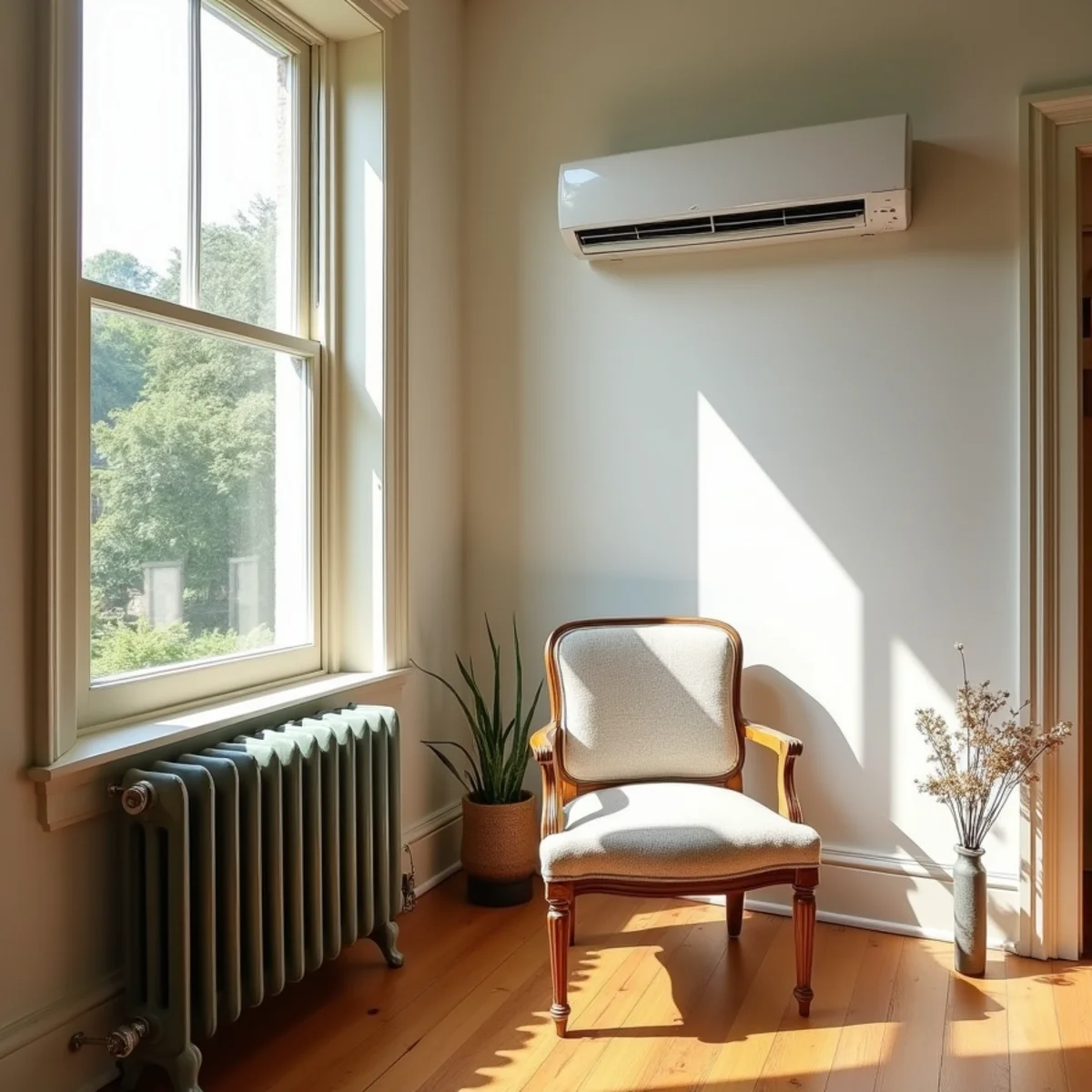
There is no single best system for a 1920s rowhouse or a 1890s Victorian. The right answer depends on what heats the house now, whether gas reaches the street and how the rooms are laid out. The main paths:
- Keep or replace the boiler. A well-maintained cast-iron boiler typically lasts 20 to 30 years or more, and radiators give steady, quiet heat. A new boiler may need a chimney liner, and steam systems need careful piping. Winter: piping in cold basements and outside walls must be protected from freezing. Upkeep: water level, low-water cut-off, circulators, zone valves and the relief valve rather than ducts and filters.
- Furnace with central AC. Common in the Town of Newburgh. Adding one to a radiator house means building ductwork through finished walls and closets. Winter: sized from a heat-loss calculation, with combustion and venting checked at startup. Upkeep: filters, the blower, condensate drains and the basement duct runs.
- Ductless mini-splits. Cooling for a house with no ducts, room by room, with only a small hole through the wall for each line set. Many owners keep the boiler for heat. Winter: if they will also heat, confirm cold-weather capacity and outdoor unit placement above snow. Upkeep: washable head filters, condensate lines and coil cleaning.
- Cold-climate heat pumps. They heat well below zero. Check each model's published low-temperature capacity, and consider keeping the boiler as backup. Winter: ask about defrost operation, backup heat and whether the electrical service has room for them. Upkeep: filters, coils and keeping the outdoor unit clear of snow and ice.
NYS Clean Heat incentives through Central Hudson can help pay for heat pumps. Amounts and rules change, and installs must go through a participating contractor, so check Central Hudson's heat pump incentive page and the statewide NYS Clean Heat program, and count an incentive only once it is confirmed in writing; see our Central Hudson heat pump rebate guide. In the historic districts, keep outdoor units off street-facing walls where you can and check the city's review rules first. Compare paths on our HVAC installation page.
Ductwork, thermostats and indoor air in Newburgh basements
A cold bedroom or a weak vent is not always a furnace problem. In the Town of Newburgh's forced-air homes, supply and return ducts run through unfinished basements and crawl spaces, and air that leaks out there never reaches the room. Freeze-thaw cycles and years of settling loosen joints and tape. Damp air off the Hudson brings sweating ducts, musty basements and summer condensate trouble.
- Ducts. Inspection for leaks, crushed or disconnected runs and missing insulation, then sealing, insulating and balancing where the space allows. A room that stays cold may need airflow or insulation work, not a bigger furnace.
- Thermostats. Placement away from drafts, radiators and sunny walls, correct wiring, and a model that matches the equipment, especially multi-stage systems, heat pumps and zoned boilers.
- Indoor air. Filters sized to the system, humidifiers for dry winter air, dehumidifiers for damp basements and ventilation. Equipment can improve indoor air, but no filter removes every pollutant.
These checks come with furnace repair, AC repair and replacement visits. Ask for them when you call.
What a good HVAC quote and installation include
A replacement quote should let you compare contractors line by line. Ask for these in writing:
- Load-based sizing. An ACCA Manual J load calculation for the house, Manual S equipment selection and, where ducts are involved, Manual D duct design. Copying the old unit's size often repeats an old mistake.
- The exact equipment. Model numbers, capacity and efficiency (AFUE for furnaces and boilers, SEER2 for air conditioners and heat pumps).
- Everything around the unit. Duct, pipe or electrical changes, a chimney liner if needed, removal and disposal of the old equipment.
- Permits. Furnace, boiler and AC replacement generally needs a permit from the City of Newburgh Building Department or the town or village building department for your address. The installer normally pulls it. Ask who pulls it, who schedules the inspection and who handles closeout.
- Refrigerant work. Anyone handling refrigerant needs EPA Section 608 certification. Ask which technician on the job holds it.
- Insurance. The installing company's legal name and proof of insurance. A website claim, ours included, is not proof of a specific license or certification.
- Startup testing. Combustion readings on fuel-burning equipment, refrigerant pressures and airflow on AC and heat pumps, plus a check of controls, safety devices and condensate drainage.
- Written warranty terms. Manufacturer warranty terms, who registers them, and the installing company's labor terms.
- Payment terms. The deposit, payment milestones, cancellation terms and what is due at the end.
At handoff you should get the manuals, model and serial numbers, warranty registration details and the permit paperwork. For a major replacement, compare at least three written quotes line by line.
What moves the price is explained in our guide to heating repair costs in Newburgh.
When to schedule seasonal maintenance
Book heating service in September or early October, before the first cold snap fills every technician's calendar. Oil burners need a yearly cleaning with a new nozzle and filter. Steam boilers need the water level, low-water cut-off and pressure control checked. Gas furnaces need the burners, flame sensor and venting looked at.
Book AC and heat pump service in April or May, ahead of the June heat, when weak capacitors and clogged condensate drains are cheaper to catch than a July breakdown that needs AC repair. In winter, keep snow and ice clear of heat pump outdoor units and furnace or boiler vents on the side of the house. Change furnace filters on the schedule printed on the filter.
Published · Last reviewed by Newburgh Bay Air Pros. Reviewed before each heating and cooling season.
Customer reviews
Placeholder: real reviews from Newburgh-area customers will appear here once they are collected. Until then this space stays empty on purpose. You will not find invented testimonials, star ratings or review counts on this site, and we never borrow reviews from any other business.
Tips for Hudson Valley homes
Latest From the Blog
9 min read
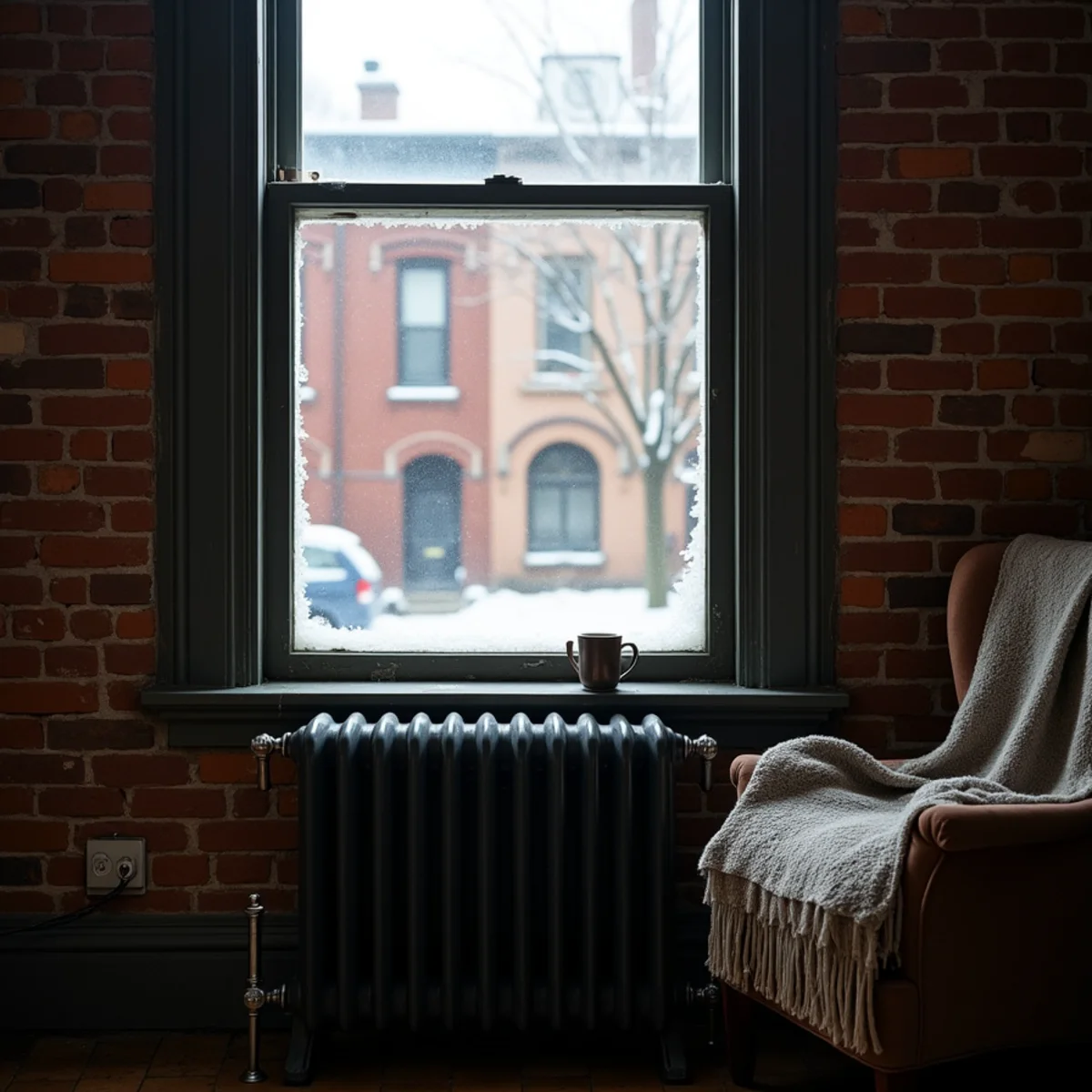
No Heat in Your Newburgh Home? What to Check Before You Call
Before you call about a cold house, a few safe checks can save a visit or speed one up. Here is what to look at on oil, gas, steam and hot water systems, and where to stop.
Read the guide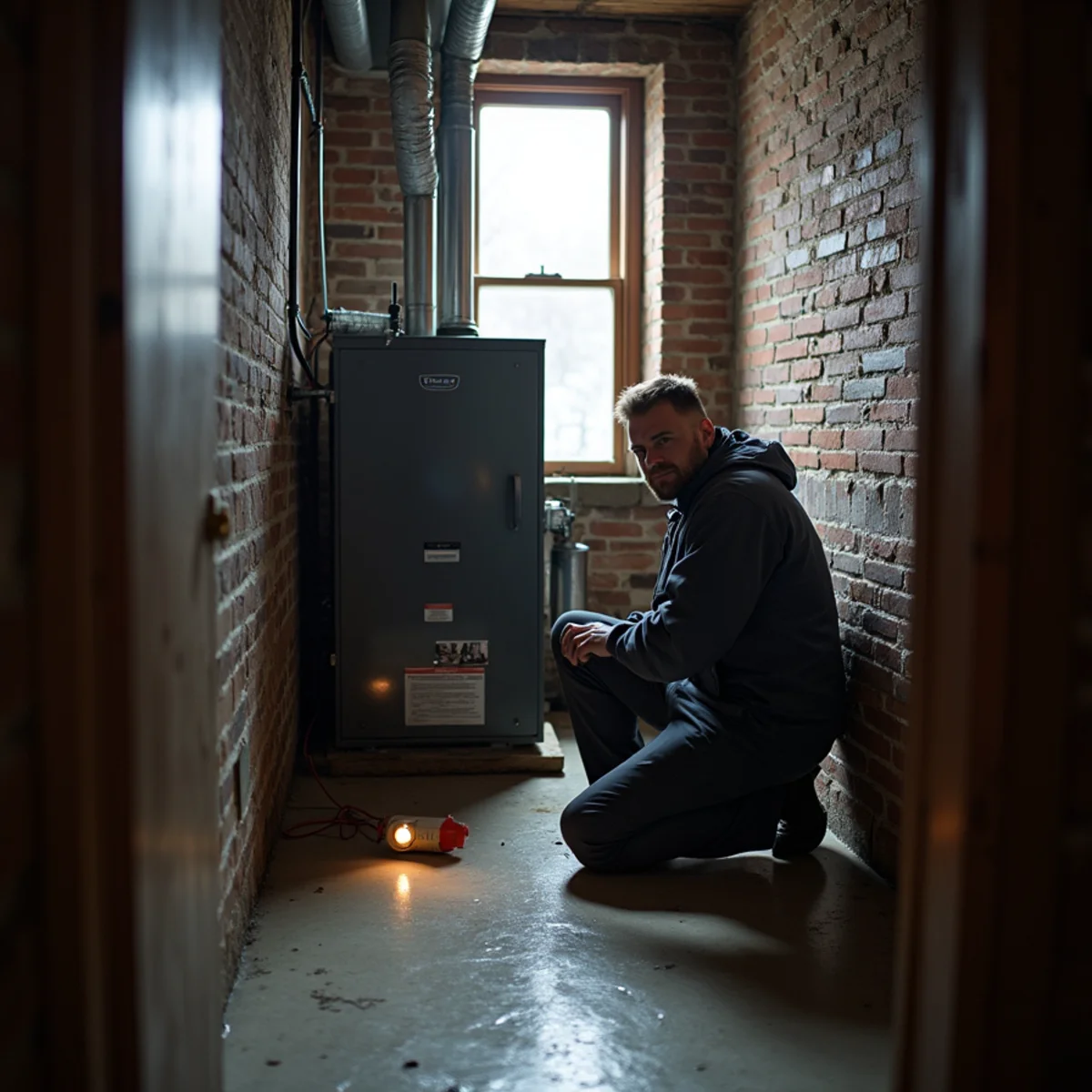
9 min read
How Much Does Furnace or Boiler Repair Cost in Newburgh, NY?
A heating repair price depends on the part, the fuel, the system and how hard it is to reach. Here is what moves the number in Newburgh homes, and how to read a written price.
Read the guide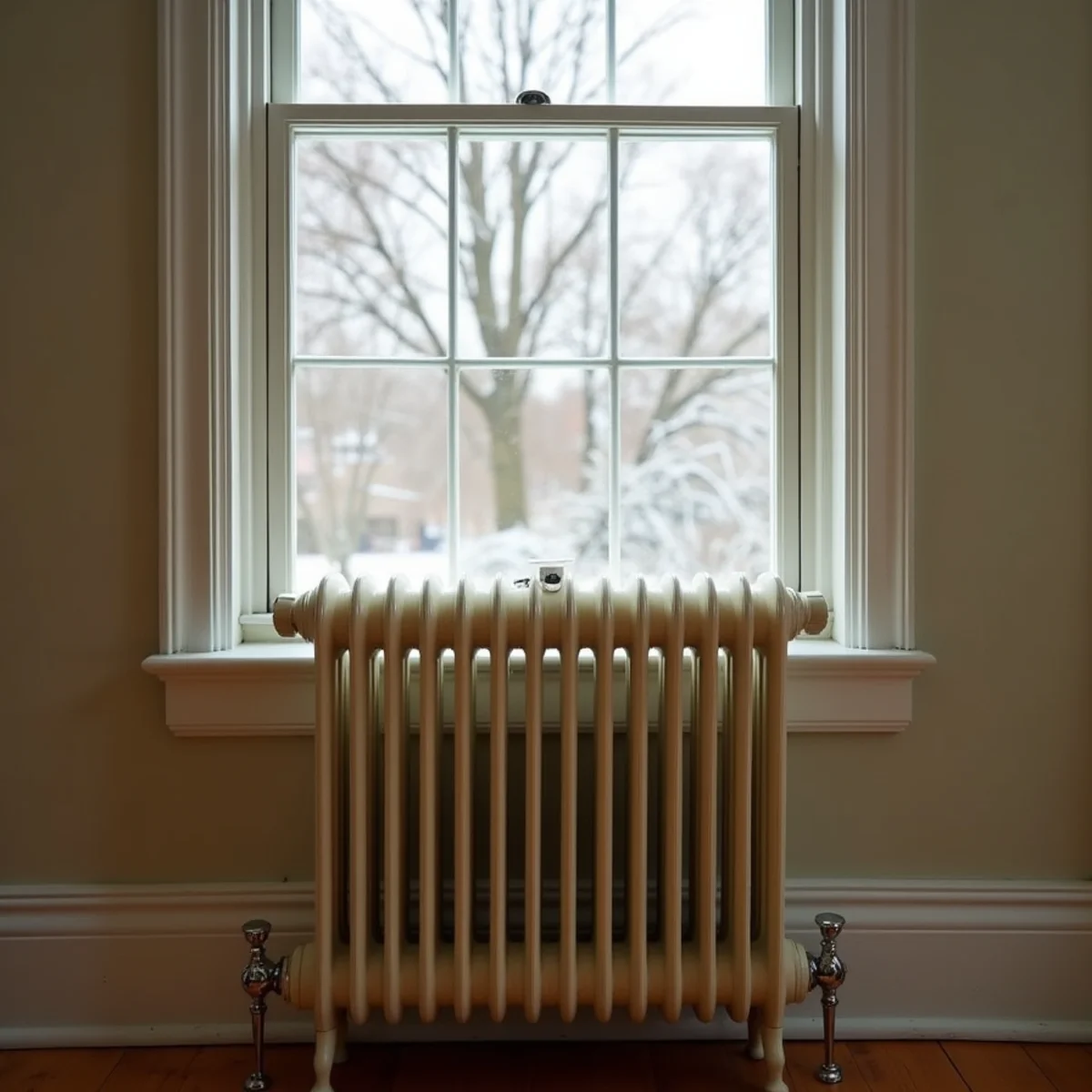
8 min read
Steam Radiator Banging, Hissing or Staying Cold: What Each Sign Means
Banging pipes, a hissing or spitting vent and a radiator that stays cold each point to a different problem. Here is how to read the signs in a Newburgh or Beacon steam house.
Read the guideContact
Newburgh HVAC Help, Any Hour
Newburgh Bay Air ProsServing Newburgh, NY 12550 and nearby areas(321) 478-0693Open 24 hours, 7 days a week(321) 478-0693Every HVAC technician we send is licensed where New York requires it, and insured.
Newburgh HVAC Questions, Answered
What should I do if I smell gas or suspect carbon monoxide?
Get everyone out of the house first. From outside, call 911 or Central Hudson's gas emergency line, and do not flip switches, relight anything or go back in to check the equipment. Once the utility or fire department says the home is safe, call (321) 478-0693 and a technician can find and repair the cause.
How fast can a technician get to my home in Newburgh?
We do not promise a fixed arrival time. When you call (321) 478-0693, a person answers, the nearest available technician is dispatched and you get an arrival window on the call. That window depends on who is free, the distance, the roads and the weather. On the coldest nights, when many boilers and furnaces fail at once, windows can run longer. Tell us if anyone in the home is elderly, ill or very young.
Do you work on steam boilers and oil heat?
Yes. Technicians we send handle one-pipe and two-pipe steam, hot water boilers, oil burners on furnaces and boilers, and gas equipment. Tell us the fuel and the system type when you call so the right technician is sent. See boiler repair and furnace repair.
What HVAC system is best for an older Newburgh home?
It depends on the current heat, gas availability and the layout. Many pre-1940 homes keep a working boiler and add ductless mini-splits for cooling, or cold-climate heat pumps for cooling and part of the heating. Building ductwork for central air is possible but disruptive in plaster walls. A technician can lay out options with prices after a load calculation.
Does HVAC replacement need a permit in Newburgh?
Generally, yes. Replacing a furnace, boiler or air conditioner usually needs a permit from the City of Newburgh Building Department for city addresses, or from the town or village building department elsewhere, and the installer normally pulls it. Outdoor equipment in a historic district may also go through the city's architectural review.
How often should heating and cooling equipment be serviced?
Once a year per system. Heating equipment in early fall, AC and heat pumps in spring. Oil burners need yearly cleaning more than any other system here, because a dirty nozzle and filter are a common cause of winter lockouts.
How much does HVAC repair cost in Newburgh, NY?
It depends on what failed, so we do not post prices. The part, the fuel and system type, access in tight basements, whether the call is after hours and what the diagnosis finds all move the number. The technician diagnoses first and gives you a written price before any work starts. Our guide to heating repair costs in Newburgh explains the main factors.
Should I repair or replace my furnace or boiler?
Repair when the failure is a single part, nothing unsafe turned up and parts are still available. Get a replacement quote when breakdowns repeat, parts are obsolete, combustion readings are unsafe or rooms never get comfortable. Ask the technician for a repair price and, if the system is old, a replacement option too, so you can compare in writing.
Can a heat pump heat a Newburgh home through the winter?
A cold-climate heat pump can, if it is sized from a load calculation for local winter conditions. Ask to see the model's published low-temperature capacity and how it handles defrost and backup heat, and whether your electrical service needs work. Many older Newburgh homes keep the boiler as backup. See ductless mini-splits and heat pumps.
Are Central Hudson or NYSERDA incentives guaranteed?
No. NYS Clean Heat incentives through Central Hudson, and NYSERDA programs, change over time and depend on the equipment, the installation and the household. Installs must go through a participating contractor. Check the current program pages, confirm eligibility before you sign and do not count an incentive until it appears in writing.
How do I choose a reliable HVAC contractor in Newburgh?
Look for a written diagnosis before any work, proof of insurance, EPA Section 608 certification for refrigerant work and clear answers on who pulls the permit. For a replacement, expect a load calculation, model numbers, startup testing and written warranty terms. Compare written quotes line by line rather than on the bottom number alone.
Are you a licensed HVAC contractor?
Newburgh Bay Air Pros is not the contractor. Newburgh Bay Air Pros connects you with independent HVAC technicians, licensed where New York requires it, who perform the work. Every HVAC technician we send is licensed where New York requires it, and insured. New York has no statewide HVAC license; requirements are set by cities and counties, and refrigerant work needs EPA Section 608 certification. Ask the technician for license and insurance details before work begins.
Need heating or cooling help in Newburgh?
Call (321) 478-0693 any time, day or night. Tell us what the system is doing, what fuel it burns and what you already checked. We send the nearest available technician, you get an arrival window on the call, and you approve a written price before any work starts.
Open 24 hours, 7 days a week
Scheduling a tune-up or an estimate?
Not urgent? Send a request
For the fastest help, call (321) 478-0693.
Use the form for things that can wait a day: seasonal tune-ups, a second opinion, or a written estimate on a new system. We call back to confirm details and an arrival window.
Every HVAC technician we send is licensed where New York requires it, and insured.